
Porsche Turbo Rebuilds
Inspection-led rebuilding for Porsche turbo systems—from early K16/K24 applications through Porsche 997 BV50 VTG platforms.
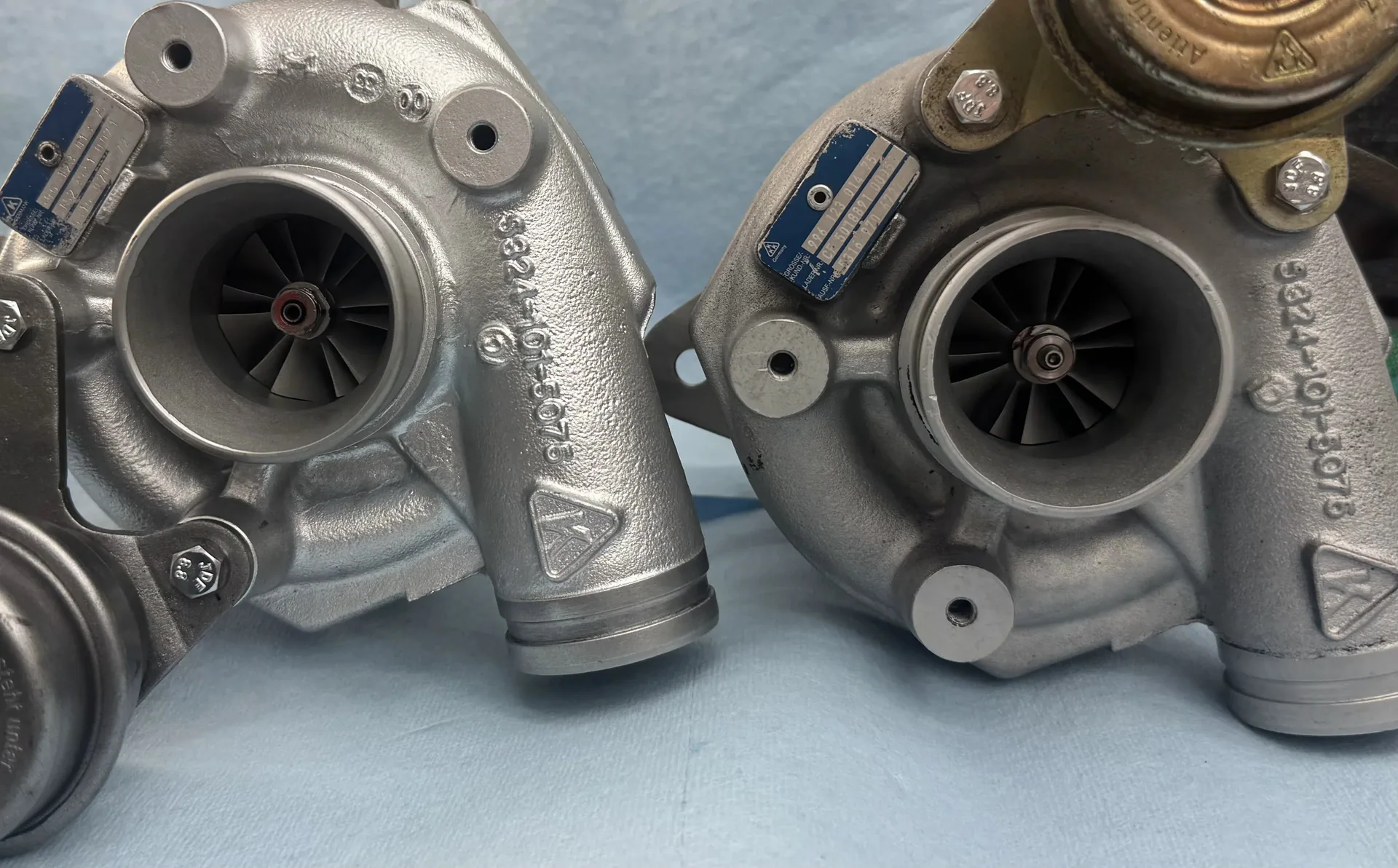
Built Around the Actual Turbo, Not a Generic Catalog
Quote accuracy starts with the identification tag on the turbocharger, supported by the vehicle year and model, modification list, symptom history, and clear photos of both assemblies. A VIN is helpful context, but it is not a substitute for the turbo identification tag.
That documentation lets us separate confirmed fitment from assumptions and define an inspection scope that reflects the hardware actually removed from the car.
Legacy K16/K04 Rebuilds Starting at $385 per Turbo
The $385 starting price applies only to an eligible, rebuildable customer-supplied legacy K16/K04-family core with standard rebuild requirements. It does not apply to Porsche BV50 VTG turbochargers. The identification tag and inspection findings determine the final scope.
Clear base pricing
- Single legacy turbo base rebuild: from $385
- Specialist VSR/high-speed balancing: +$80 per turbo
- Legacy twin-turbo pair base rebuild: from $770
- Legacy pair with VSR balancing: from $930
- Porsche 997 BV50 pair rebuild: from $2,495
- Final BV50 pricing follows teardown and inspection
Replacement wheels, shafts, actuators, damaged housings, machining, upgrades, missing components, non-standard prior repairs, shipping, and taxes are additional when required. Added work is documented and quoted after inspection.
Porsche application reference points
These are service reference points, not an exhaustive fitment catalog. Compatibility and rebuild scope are confirmed from the full turbo tag, housing configuration, actuator setup, and condition.
K16 applications
Legacy K16 applications include multiple housing and rotating-group variations. The complete KKK/BorgWarner number must be checked before parts or scope are quoted.
Identification before fitment
K16 service applies only where the turbo tag confirms a K16 application. GT2 and X50 labels alone are not confirmation; related legacy configurations can use different K-series hardware, including K24-family units.
BV50 VTG applications
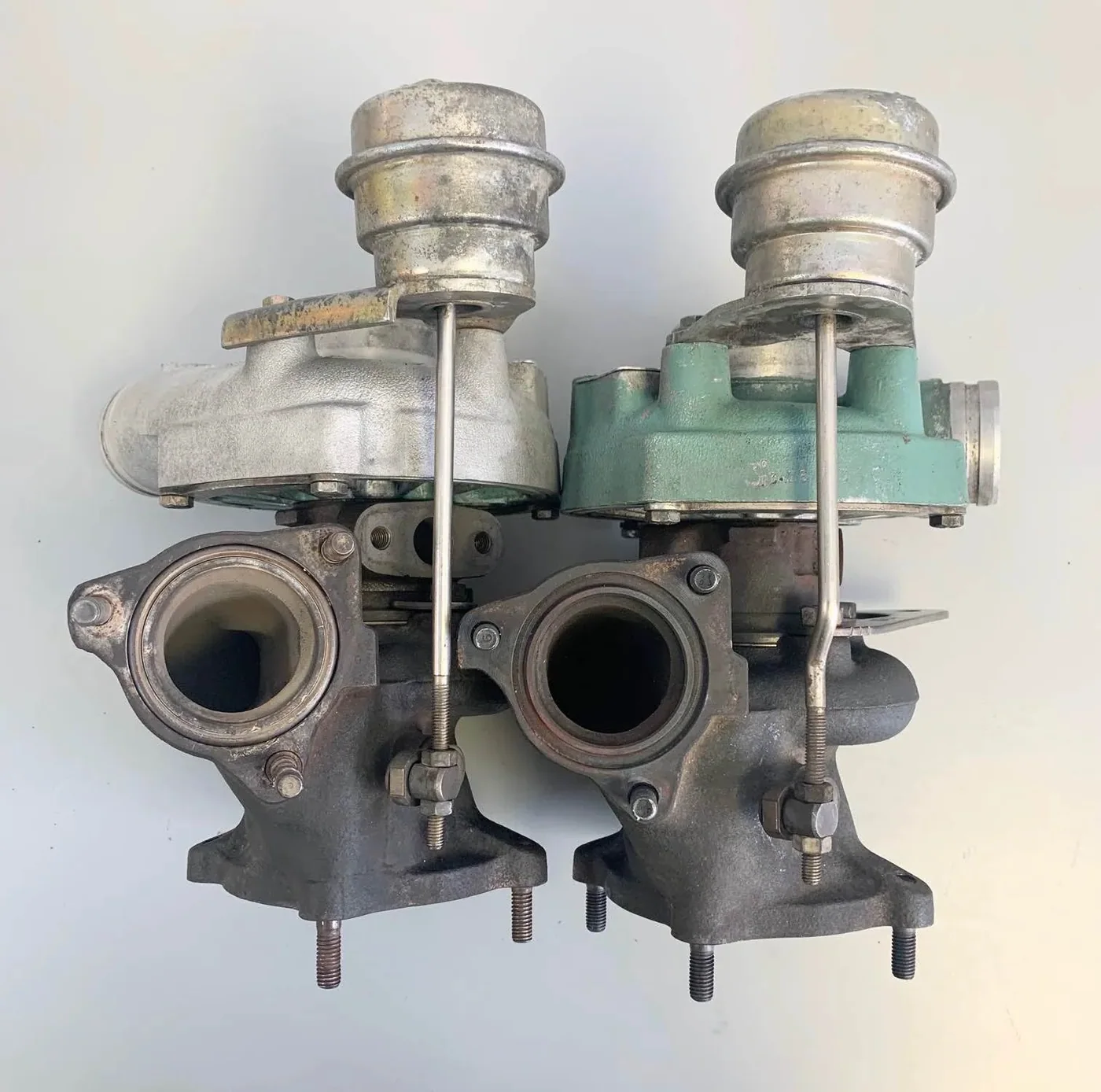
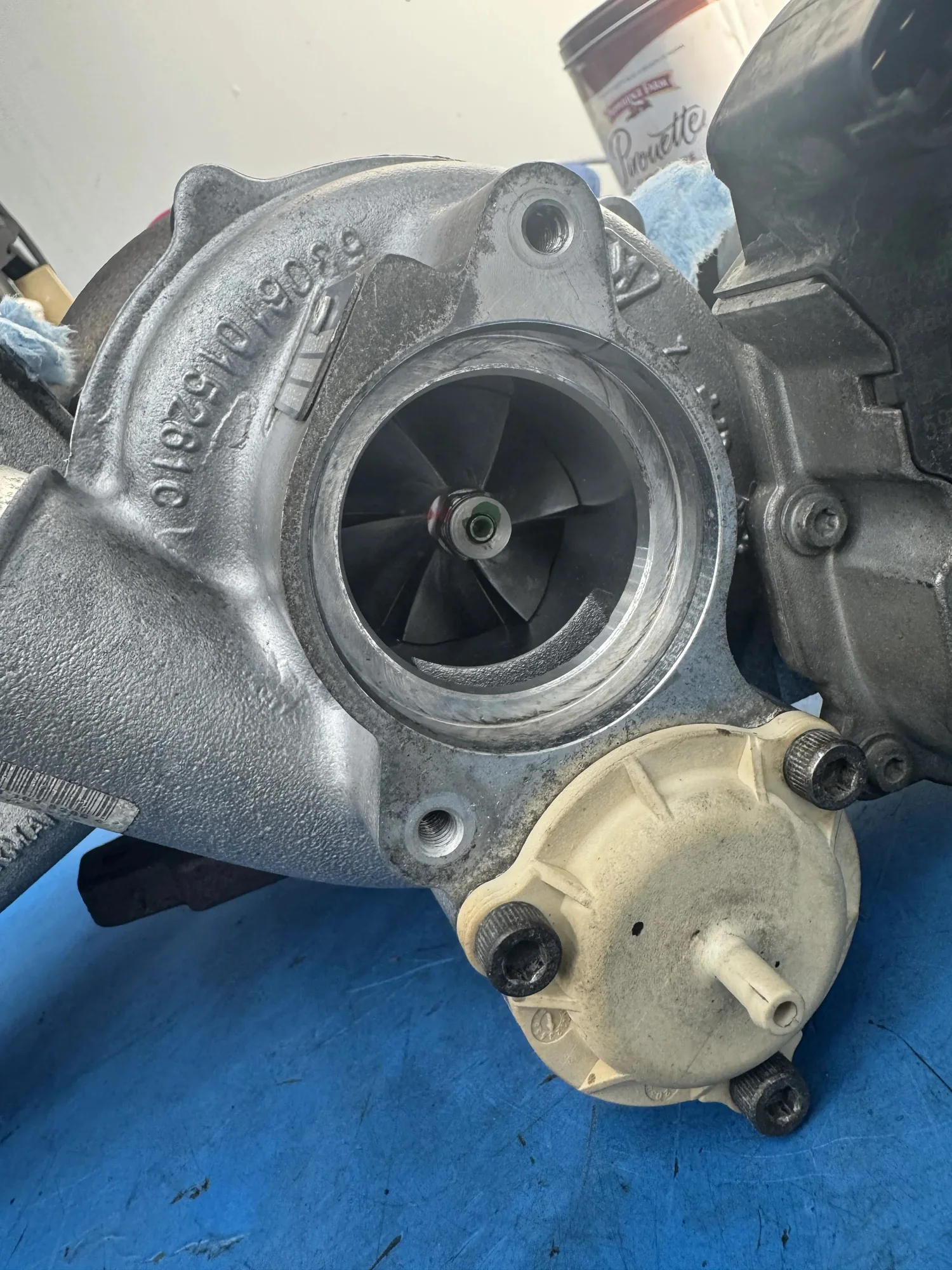
Porsche 997 Turbo platforms use side-specific BV50 VTG assemblies with variable-turbine geometry, complete tag-number requirements and actuator variations. They are not generic K04 applications. Both units should be documented as a pair before service scope is defined.
What We Inspect
Each turbocharger is evaluated individually, with pair relationship and application details documented where applicable.
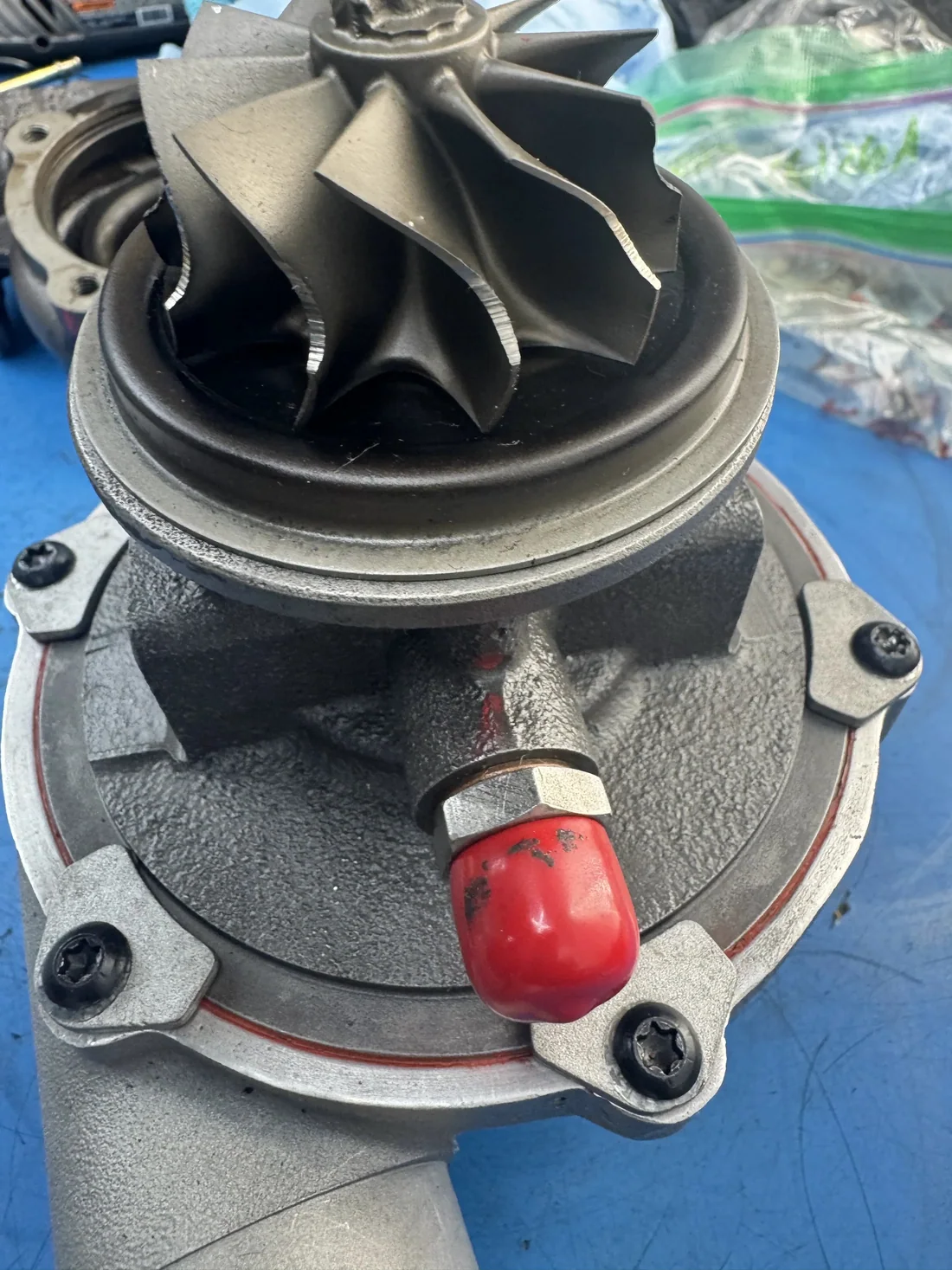
- Shaft, wheel, bearing, and thrust-system condition
- Compressor and turbine contact evidence
- Center housing and sealing surfaces
- Turbine and compressor housing condition
- Oil-related evidence and installation factors
- Part-number and actuator configuration verification

Rebuild Documentation and Balance
Inspection findings are recorded for each unit. Component selection follows measured condition, verified configuration, and the approved rebuild scope—not a one-size-fits-all parts list.
Where high-speed or VSR verification is required, the rotating assembly is balanced by a specialist balancing partner. Final scope and timing depend on inspection findings, parts availability, and any housing or actuator work identified after teardown.
Modified Porsche Builds
A modified Porsche is evaluated as a system. Along with both turbo tag photos, send the intended boost target, tune information, hardware changes, fuel changes, intercooler setup, exhaust configuration, and any prior turbo work.
Those details do not replace physical inspection, but they help us understand the operating environment and avoid treating a modified combination like a stock application.
Information before the box ships
What information should I send?
Send the vehicle year and model, both turbo tag photos for a twin-turbo car, symptoms, service history, modifications, and clear photos of the housings, wheels, actuators, and visible damage.
Can you quote from a VIN?
A VIN is helpful context, but it is not enough to confirm the turbocharger configuration. The physical turbo identification tag is the primary fitment reference.
Do modified cars need different information?
Yes. Include boost target, tune, fuel, intercooler, exhaust, engine hardware, and prior turbo changes so the inspection can be considered in the correct operating context.
Is a turbo repair always the answer?
No. Oil supply or drain restrictions, crankcase-pressure issues, intake or exhaust debris, control faults, boost leaks, and engine conditions can produce turbo-related symptoms. The system cause should be identified before reinstallation.
How do I ship my turbochargers?
Contact us before shipping. Drain residual fluids, protect every opening, bag each unit, prevent movement with dense cushioning, and use a strong outer box. Include your contact and project reference inside.
What the bench reveals.
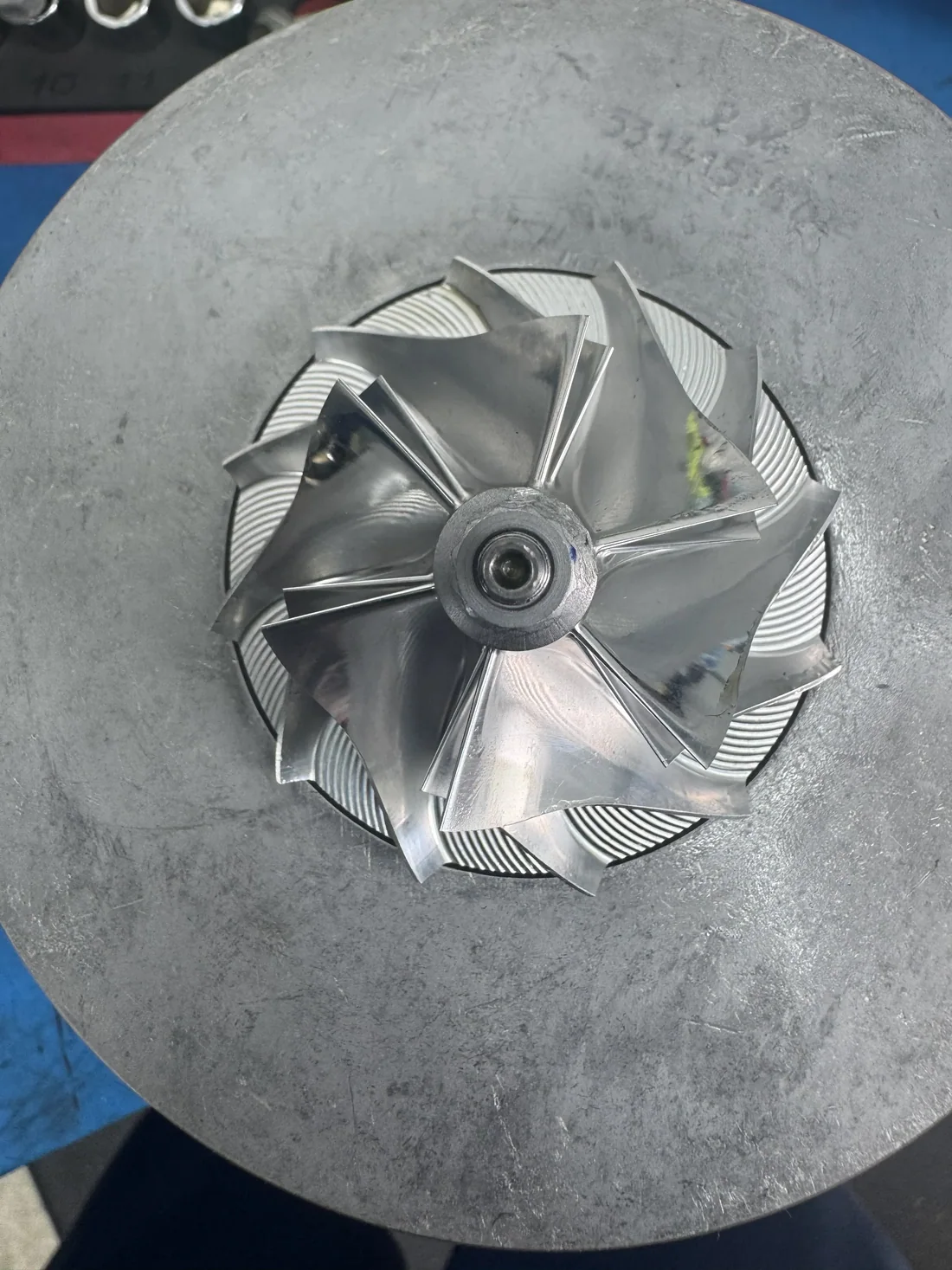
Start with the tags, photos, and operating story.
TurboRebuilds supports Porsche owners and specialist shops nationwide from Port St. Lucie, Florida, with coordinated inbound and return shipping.
Start My Rebuild